Paneer (Paneer): Nutrition, Benefits, Types & Uses – Complete Guide
📋 Table of Contents
Hello! Paneer – the undisputed king of vegetarian food in India! From luxury restaurant curries like Paneer Butter Masala to simple home-cooked Paneer Bhurji, this versatile cottage cheese is the ultimate source of delight and high protein.
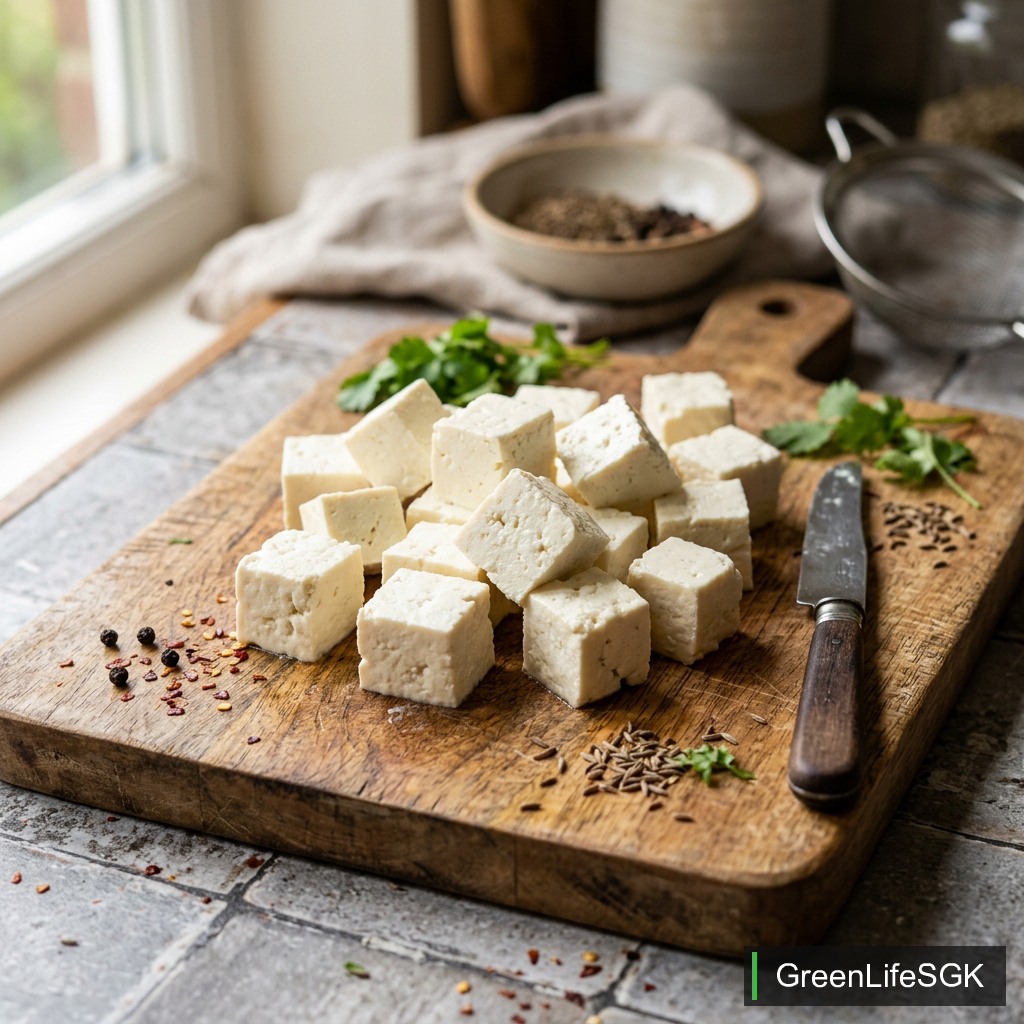
🔍 What is Paneer?
Paneer (Indian Cottage Cheese) is a fresh, non-aged, non-melting acid-set cheese made by curdling hot milk with lemon juice, vinegar, or citric acid, and pressing the whey out. It is a dense, soft, white cheese that absorbs flavors beautifully. It is a staple protein source for vegetarians in India.
🌿 Types and Varieties of Paneer
Here are the main types of Paneer consumed in India:
- Full Cream Paneer: Made from whole buffalo or cow milk. Extremely soft, melt-in-mouth, and rich in taste.
- Low Fat Paneer: Made from toned or skimmed milk. Higher in protein percentage and lower in fat and calories.
- Malai Paneer: Commercial variety with added milk cream for extra softness and premium texture.
- Spiced/Masala Paneer: Infused with green chilies, coriander, and cumin seeds during preparation for added flavor.
📊 Nutritional Value of Paneer
Paneer is a nutritional powerhouse. Here is the approximate nutritional breakdown per 100 grams:
| Nutrient | Amount (per 100g) |
|---|---|
| Calories | 265 kcal |
| Carbohydrates | 3.5 g |
| Protein | 18.3 g |
| Fat | 20.8 g |
| Fiber | 0 g |
| Vitamin C | 0 mg |
| Iron | 0.2 mg |
| Potassium | 110 mg |
| Calcium | 350 mg |
💪 Health Benefits of Paneer
Consuming Paneer regularly offers these excellent health benefits:
- High-Quality Vegetarian Protein: Provides about 18g of premium protein per 100g, crucial for muscle repair, building strength, and metabolic health.
- Supports Weight Management: High protein and low carbs keep you full for hours, preventing overeating and helping in fat loss.
- Strengthens Bones and Teeth: Loaded with calcium and phosphorus which help maintain bone mineral density and healthy teeth.
- Regulates Blood Sugar: Low carbohydrate content and slow-digesting proteins prevent sudden blood sugar spikes, making it excellent for diabetics.
- Rich in Essential Minerals: Provides selenium, potassium, and magnesium that support heart health and thyroid function.
- Boosts Energy Levels: Packed with healthy fats and Vitamin B-complex that provide sustained energy throughout the day.
- Supports Healthy Aging: The antioxidants in Paneer help fight free radical damage, slowing the aging process at a cellular level.
- Improves Sleep Quality: Minerals like magnesium and potassium in Paneer can help relax muscles and promote better sleep.
- Enhances Nutrient Absorption: When eaten as part of a balanced meal, Paneer helps the body absorb other nutrients more efficiently.
🔄 What Happens If You Consume Paneer Daily?
Many people wonder – what happens if I eat Paneer every single day? Here is what research and nutrition science tell us:
⚡ Short-Term Effects (First 1–2 Weeks)
- Eating Paneer regularly for a few days can improve energy levels and mood.
- You may notice better digestion and more regular bowel movements within the first week.
- Your body starts absorbing the vitamins and minerals, showing as improved skin clarity.
- Some people experience mild bloating initially as the body adjusts to increased fiber.
🌟 Long-Term Effects (1 Month and Beyond)
- Over weeks and months, regular Paneer consumption strengthens your immune system.
- Long-term consumption supports heart health by helping maintain healthy cholesterol and blood pressure.
- Your skin, hair, and nails may show visible improvement due to sustained nutrient supply.
- Antioxidants accumulated over time help reduce oxidative stress and lower chronic disease risk.
- Consistent fiber intake promotes a healthy gut microbiome, improving digestive health.
⚠️ Note: While daily consumption of Paneer in moderate amounts is beneficial, excessive intake may cause digestive discomfort. Maintain variety and consult a healthcare professional if needed.
🍳 Uses of Paneer in Daily Life
Cooking Uses
- Paneer Butter Masala and Shahi Paneer – rich gravy dishes
- Paneer Bhurji – quick scrambled paneer with onions, tomatoes, and spices
- Palak Paneer – paneer cubes in a healthy spinach gravy
- Paneer Tikka – skewered and grilled/roasted spiced paneer
- Added raw to salads and wraps for a quick protein boost
- Used in sandwiches, parathas, and rolls as a filling
- Prepared in desserts like Chena Murki, Sandesh, and Rasmalai
Home Uses
- Paneer is used in traditional Indian skincare, hair masks, and ubtans
- Used as a base for various Ayurvedic health preparations
- Warm Paneer is a traditional remedy for throat soothing and sleep
👅 Taste, Texture, and Appearance
Paneer has a rich, fresh, and soothing taste that is central to Indian cooking. Its appearance and texture vary from creamy liquids to dense solids, adding incredible depth and flavor to daily food.
🛒 How to Select and Store Paneer
Always buy fresh Paneer from trusted brands or local diaries. Look for clean packaging and check the expiration date. Keep refrigerated to prevent spoilage. Milk should be boiled before drinking, paneer should be soaked in warm water to keep it soft, and curd is best consumed fresh daily.
⏰ Best Time to Eat Paneer
Paneer can be consumed throughout the day depending on the item. Milk is best had in the morning or at bedtime. Curd and buttermilk are perfect for lunch to cool down the body, while paneer makes a great high-protein lunch or dinner option.
🚫 Who Should Avoid or Limit Paneer?
- People with lactose intolerance should limit milk and prefer curd or lactose-free alternatives.
- Those with severe dairy allergies should strictly avoid all dairy products.
- Consult your doctor if you have specific conditions like cardiovascular diseases or kidney issues.
⚖️ Paneer vs Tofu
Let us compare Paneer with Tofu:
| Feature | Paneer | Tofu |
|---|---|---|
| Protein Content | High | High |
| Calcium Value | Excellent | Varies |
| Digestibility | Good | Varies |
| Common Usage | Everyday Indian food | Specific diets |
| Price | Affordable | Moderate to High |
⚠️ Precautions and Side Effects
- Always wash containers thoroughly to avoid contamination.
- Ensure proper pasteurization or boiling to kill harmful bacteria.
- Do not consume expired or sour-smelling dairy products.
- Avoid over-consumption to prevent excessive calorie and saturated fat intake.
🤓 Interesting Facts About Paneer
- India is the largest producer of milk in the world, contributing over 22% of global production.
- Dairy has been integral to Indian culture and religion for over 5,000 years.
- The sacred cow is considered a source of wealth and health in traditional Indian villages.
- Ayurveda classifies milk as a ‘Sattvic’ food that nourishes the body and calms the mind.
❓ Frequently Asked Questions
❓ Is daily consumption of Paneer good?
Yes! Daily consumption of Paneer in moderate amounts provides essential calcium, protein, and vitamins needed by the body.
❓ Can lactose intolerant people eat Paneer?
Lactose intolerant individuals can often digest curd (dahi) and ghee easily because fermentation and preparation reduce lactose content significantly.
❓ How much Paneer should I consume daily?
A serving of 1-2 glasses of milk, a bowl of curd, or 100g of paneer is considered healthy for an active adult.
❓ Does Paneer cause weight gain?
Paneer alone does not cause weight gain. However, whole fat versions are calorie-dense, so moderate consumption or low-fat versions are recommended for weight loss.
🥗 How to Include Paneer in Your Daily Diet
- Have a glass of milk with breakfast or before bedtime.
- Include a bowl of fresh curd or buttermilk with your daily lunch.
- Use paneer in your salads or curries for a healthy vegetarian protein source.
- Combine dairy with healthy nuts for a nutrient-dense snack.
❌ Common Mistakes to Avoid
- Drinking raw milk without boiling – raises risk of food-borne illnesses.
- Keeping dairy at room temperature for too long – leads to quick souring and spoilage.
- Avoiding all dairy due to minor digestive discomfort – try curd or lactose-free options first.
- Using high-fat dairy in excessive amounts while trying to lose weight.
✅ Conclusion
Paneer is an indispensable part of a balanced Indian diet. It is nutritious, versatile, and provides complete proteins and calcium that are essential for strong bones and muscles. Make it a part of your daily meals to enjoy a healthy and energetic lifestyle!
📌 Disclaimer
This content is for informational purposes only and should not be considered medical or professional advice. Nutritional values may vary by variety and preparation. Consult a qualified doctor or nutritionist if you have health conditions.