Kala Chana (Kala Chana): Nutrition, Benefits, Types & Uses – Complete Guide
📋 Table of Contents
- What is Kala Chana?
- Types & Varieties
- Nutritional Value
- Health Benefits
- What Happens If Consumed Daily
- Uses in Daily Life
- Taste, Texture & Appearance
- How to Select & Store
- Best Time to Eat
- Who Should Avoid
- Kala Chana vs Kabuli Chana
- Precautions
- Interesting Facts
- FAQ
- Daily Diet Tips
- Common Mistakes
- Conclusion
Hello! Today we are exploring Kala Chana, known as Kala Chana in Hindi – an essential part of the Indian diet. Whether it is in a steaming bowl of dal or a protein-packed curry, Kala Chana is a nutritious and delicious staple that has nourished generations of Indians. Let us learn everything about it!
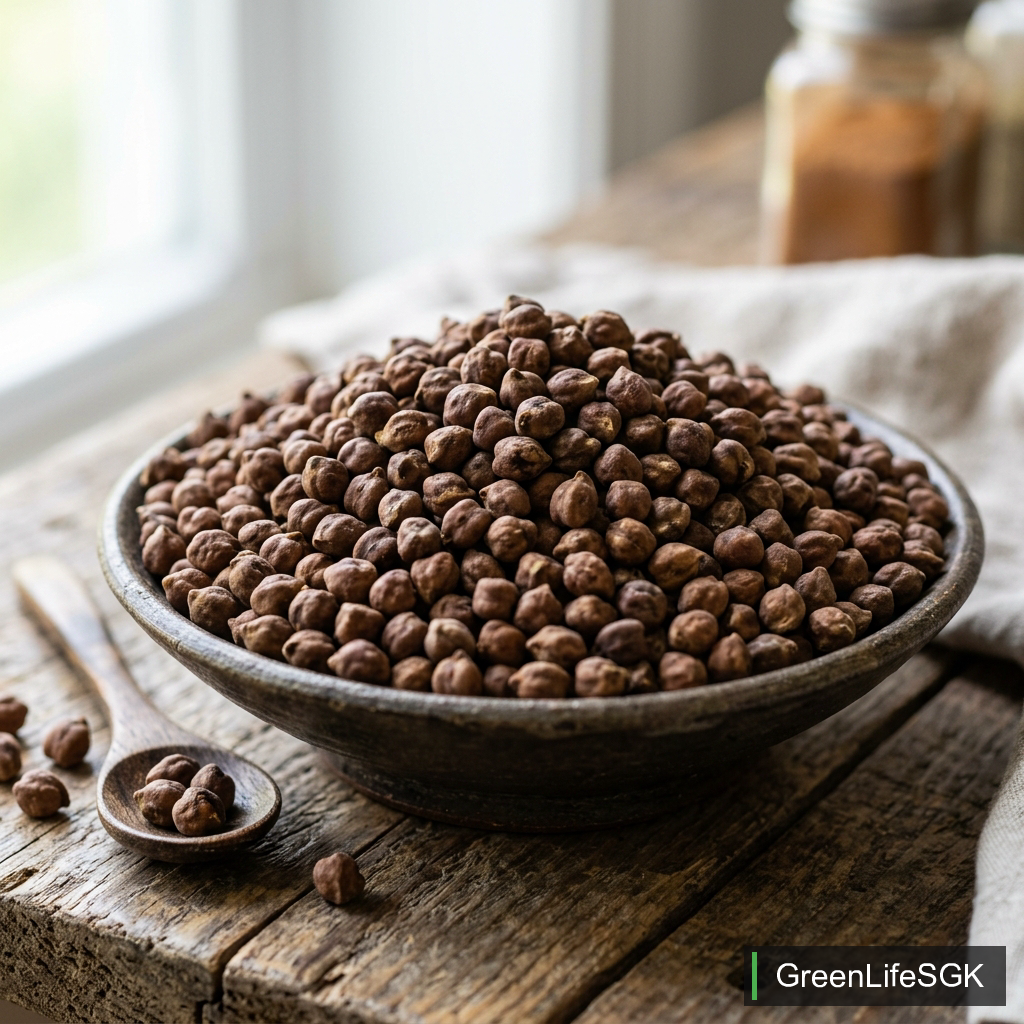
🔍 What is Kala Chana?
Kala Chana (Kala Chana) is a widely consumed pulse/legume in India. It is an excellent source of plant-based protein and is an essential part of vegetarian Indian cuisine. Available in most Indian markets, Kala Chana is affordable, nutritious, and incredibly versatile in cooking.
🌿 Types and Varieties of Kala Chana
Kala Chana comes in several forms:
- Whole (Sabut): Complete, unsplit Kala Chana with skin. Higher in fiber, takes longer to cook.
- Split (Dhuli): Split and usually skinned. Cooks faster and is easier to digest.
- Sprouted: Germinated form with enhanced nutrition. Great for salads.
📊 Nutritional Value of Kala Chana
Kala Chana is rich in protein and essential nutrients. Here is the approximate nutritional value per 100g (dry):
| Nutrient | Amount (per 100g) |
|---|---|
| Calories | 330-370 kcal |
| Carbohydrates | 55-65 g |
| Protein | 20-25 g |
| Fat | 1-5 g |
| Fiber | 10-16 g |
| Iron | 5-8 mg |
| Potassium | 800-1300 mg |
| Calcium | 50-150 mg |
| Folate | Rich source |
💪 Health Benefits of Kala Chana
Kala Chana offers excellent health benefits:
- High-Quality Plant Protein: Kala Chana is one of the best vegetarian protein sources, essential for muscle building and repair.
- Supports Heart Health: Fiber and potassium help reduce cholesterol and maintain healthy blood pressure.
- Manages Blood Sugar: Low glycemic index and high fiber help prevent blood sugar spikes.
- Rich in Iron: Helps prevent iron-deficiency anemia, especially important for vegetarians.
- Promotes Digestive Health: High fiber content ensures healthy bowel movements and good gut health.
- Supports Healthy Aging: The antioxidants in Kala Chana help fight free radical damage, slowing the aging process at a cellular level.
- Improves Sleep Quality: Minerals like magnesium and potassium in Kala Chana can help relax muscles and promote better sleep.
- Enhances Nutrient Absorption: When eaten as part of a balanced meal, Kala Chana helps the body absorb other nutrients more efficiently.
🔄 What Happens If You Consume Kala Chana Daily?
Many people wonder – what happens if I eat Kala Chana every single day? Here is what research and nutrition science tell us:
⚡ Short-Term Effects (First 1–2 Weeks)
- Eating Kala Chana regularly for a few days can improve energy levels and mood.
- You may notice better digestion and more regular bowel movements within the first week.
- Your body starts absorbing the vitamins and minerals, showing as improved skin clarity.
- Some people experience mild bloating initially as the body adjusts to increased fiber.
🌟 Long-Term Effects (1 Month and Beyond)
- Over weeks and months, regular Kala Chana consumption strengthens your immune system.
- Long-term consumption supports heart health by helping maintain healthy cholesterol and blood pressure.
- Your skin, hair, and nails may show visible improvement due to sustained nutrient supply.
- Antioxidants accumulated over time help reduce oxidative stress and lower chronic disease risk.
- Consistent fiber intake promotes a healthy gut microbiome, improving digestive health.
⚠️ Note: While daily consumption of Kala Chana in moderate amounts is beneficial, excessive intake may cause digestive discomfort. Maintain variety and consult a healthcare professional if needed.
🍳 Uses of Kala Chana in Daily Life
Cooking Uses
- Traditional dal preparation with Indian spices
- Curries and gravies
- Used in snacks like pakoras, chillas, and tikkis
- Added to rice dishes, khichdi, and biryanis
- Sprouts used in salads and chaat
Home Uses
- Pulse flour is used in traditional face packs (ubtan)
- Used in various home remedies for health and beauty
👅 Taste, Texture, and Appearance
Kala Chana has a mild, nutty flavor and a creamy texture when cooked. It absorbs spices well and forms the base of many delicious Indian dishes.
🛒 How to Select and Store Kala Chana
Buy clean, uniform-sized Kala Chana without stones or debris. Choose recently packaged dal for freshness. Store in airtight containers in a cool, dry place. Well-stored dal lasts 6-12 months. Always wash before cooking.
⏰ Best Time to Eat Kala Chana
Kala Chana is best consumed at lunch or dinner as part of the main meal with rice or roti for complete nutrition.
🚫 Who Should Avoid or Limit Kala Chana?
- People with gout or high uric acid should eat in moderation.
- Those with digestive sensitivity may need to start with small portions.
- People with kidney problems should consult their doctor.
⚖️ Kala Chana vs Kabuli Chana
Here is how Kala Chana compares with Kabuli Chana:
| Feature | Kala Chana | Kabuli Chana |
|---|---|---|
| Protein | High | High |
| Fiber | Good | Good |
| Cooking Time | Moderate | Moderate |
| Taste | Mild, nutty | Distinctive |
| Price | Affordable | Affordable |
⚠️ Precautions and Side Effects
- Always wash and soak before cooking for better digestibility.
- Do not eat raw or undercooked pulses.
- Add hing (asafoetida) during cooking to prevent gas.
- Moderate consumption if you have uric acid issues.
🤓 Interesting Facts About Kala Chana
- India is the world’s largest producer and consumer of pulses.
- Dal is the most common source of protein for Indian vegetarians.
- Pulses have been cultivated in India for thousands of years.
- Growing pulses improves soil health by fixing nitrogen.
❓ Frequently Asked Questions
❓ Is Kala Chana good for health?
Yes! It is an excellent source of protein, fiber, iron, and other nutrients.
❓ How much Kala Chana should I eat daily?
30-50g dry weight per serving, 1-2 servings daily.
❓ Can diabetics eat Kala Chana?
Yes, pulses have a low GI and help manage blood sugar.
❓ Is Kala Chana good for weight loss?
Yes, high protein and fiber keep you full longer.
❓ How to reduce gas from Kala Chana?
Soak well, cook thoroughly, add hing and ginger while cooking.
🥗 How to Include Kala Chana in Your Daily Diet
- Eat a serving of dal with rice or roti at lunch.
- Sprout and add to salads for extra protein.
- Use different temperings to keep it interesting.
- Combine with vegetables for enhanced nutrition.
❌ Common Mistakes to Avoid
- Not washing dal before cooking.
- Skipping the soaking step.
- Not adding hing or cumin to aid digestion.
- Overcooking to the point of losing nutrition.
✅ Conclusion
Kala Chana is a cornerstone of the Indian diet – affordable, protein-rich, and endlessly delicious. Whether you are a student, a working professional, or a home cook, Kala Chana offers complete nutrition at a budget-friendly price. Make it a daily staple and enjoy the wholesome goodness!
📌 Disclaimer
This content is for informational purposes only and should not be considered medical or professional advice. Nutritional values may vary by variety and preparation. Consult a qualified doctor or nutritionist if you have health conditions.