Quick Summary: In Indian kitchens and Ayurvedic wellness, Moong Dal (known scientifically as Vigna radiata or green gram) is celebrated as the undisputed queen of lentils. While heavier beans like kidney beans (rajma) or chickpeas (chana) can cause painful bloating and gas, moong dal is extraordinarily light, gentle on delicate stomachs, and packed with plant-based protein, iron, and fiber. Discover why sprouting boosts its vitamins by 300% and how healing khichdi resets your entire digestive system.
📋 Table of Contents
- The 3 Forms of Moong Dal (Which One Should You Cook?)
- Why Moong Dal Never Makes You Bloated (The Digestion Secret)
- The 24-Hour Sprouting Miracle: Unlocking 300% More Vitamins
- Ayurvedic Healing Khichdi: The Ultimate Gut Reset Recipe
- Nutrition Facts (What is Inside Moong Dal?)
- Top 5 Proven Health Benefits of Moong Dal
- How to Select, Wash, and Store Moong Dal
- Who Should Be Mindful with Moong Dal?
- Frequently Asked Questions
- Scientific References
🔍 The 3 Forms of Moong Dal (Which One Should You Cook?)
Moong dal is available in three distinct culinary forms, each serving a specific nutritional purpose in your kitchen:
| Form | Hindi Name | Cooking Time & Texture | Best Culinary Uses |
|---|---|---|---|
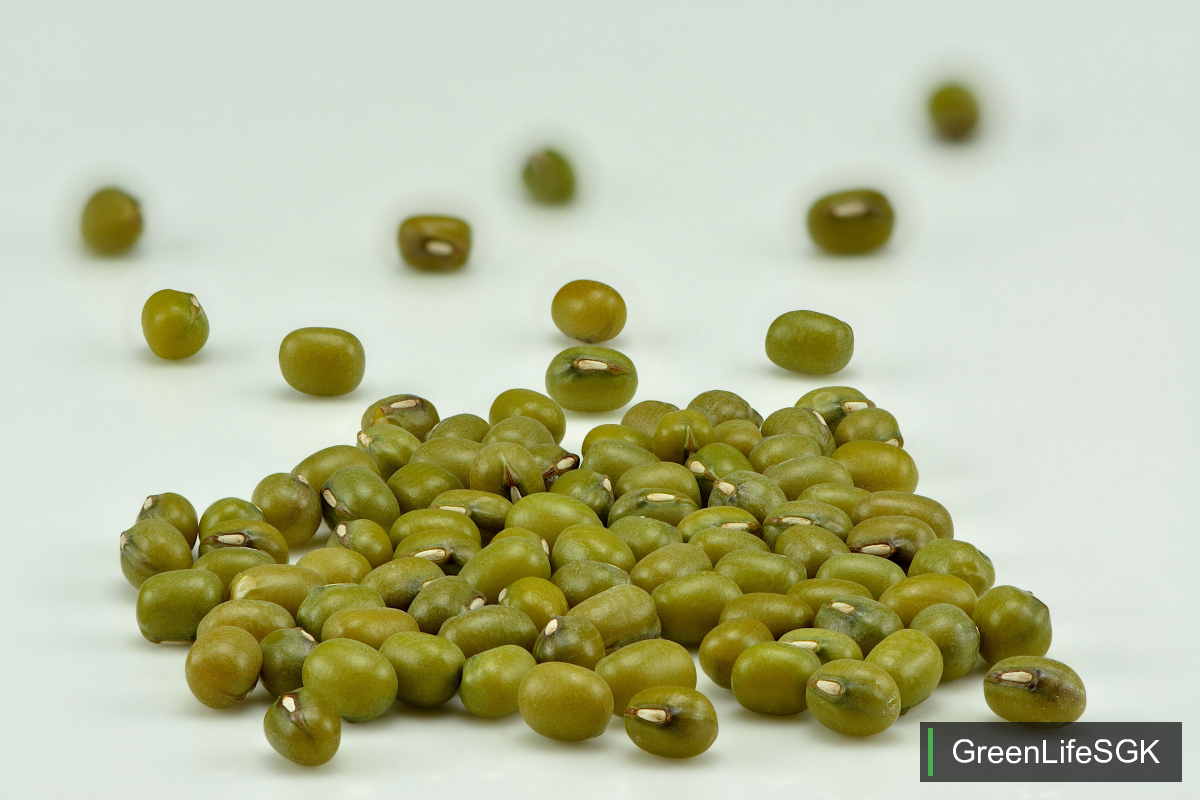
| Whole Green Moong | Sabut Moong | Intact green seed coat; takes 35-40 min to cook (or 15 min in pressure cooker). Highest dietary fiber (16.3g/100g). | Ideal for overnight sprouting, protein-packed salads, and slow-simmered Punjabi green dal curries. |
| Split Green Moong | Moong Chilka | Split in half with the green skin still attached; cooks in 15-20 min. Excellent balance of fiber and creamy softness. | Classic everyday homestyle dal, wholesome parathas, and nutritious savory vegetable pancakes (cheela). |
| Yellow Split Moong | Moong Dhuli | Outer green husk is completely removed; cooks in just 10-12 min into silky, golden comfort food. | The gentlest food on earth for sensitive stomachs, recovery diets, babies, elders, and healing khichdi. |
🧪 Why Moong Dal Never Makes You Bloated (The Digestion Secret)
If you love lentils but hate the uncomfortable heaviness, flatulence, and stomach rumbling that often follows, moong dal is your best friend. Here is the food science explanation:
💡 Why Moong Dal is Naturally Gut-Friendly:
- Low in Complex Oligosaccharides: Heavy legumes like black gram (urad), rajma, and chana are packed with complex sugars called raffinose and stachyose. Humans lack the enzyme to digest these sugars, so they ferment in the large intestine, creating trapped gas. Moong dal naturally contains only trace levels of these gas-producing sugars.
- The Digestive Tadka Pairing: Indian culinary wisdom always tempers moong dal with pure Desi Ghee, freshly sizzled Cumin Seeds (Jeera), grated Ginger (Adrak), and a pinch of asafoetida (hing). The warm essential oils in cumin and ginger stimulate gastric bile secretion, helping your enzymes break down plant proteins with zero digestive distress!
🌱 The 24-Hour Sprouting Miracle: Unlocking 300% More Vitamins
When you sprout whole green moong beans, you trigger an astonishing biological metamorphosis inside the seed:
💡 How Sprouting Transforms Moong Dal:
- Reduces Phytic Acid Anti-Nutrients by 60%: Dormant dry seeds contain phytic acid to prevent premature germination. Soaking and sprouting breaks down phytic acid, liberating bound iron, zinc, and magnesium for immediate absorption.
- Skyrockets Vitamin C by Over 300%: While dry, hard moong beans contain negligible Vitamin C, the active living sprout produces abundant ascorbic acid (Vitamin C) as it begins to grow.
- Pre-Digests Proteins: Sprouting activates endogenous enzymes that begin breaking down dense storage proteins into free, easily absorbable amino acids and peptides.
- How to Sprout at Home: Soak 1 cup of whole green moong in clean water for 8 hours. Drain completely, rinse, and wrap loosely in a damp cotton cloth. Place in a dark, warm kitchen corner for 24 hours. Enjoy the crunchy white sprouts raw with lemon juice and chaat masala, or gently steamed!
🍲 Ayurvedic Healing Khichdi: The Ultimate Gut Reset Recipe
Across Indian households, Moong Dal Khichdi is revered as the ultimate nourishing recovery food during illness, fevers, post-surgery recovery, or when your digestive tract simply needs a gentle break:
- The Golden 50/50 Ratio: Combine equal parts yellow split moong dal (moong dhuli) and aged basmati rice.
- Simmer in 4 Parts Water: Cook with 4 to 5 times water, a pinch of pure Turmeric Powder (Haldi), and grated ginger until velvety soft and porridge-like.
- Finish with Pure Ghee: Stir in 1 teaspoon of warm A2 Desi Ghee before serving. Ghee lubricates the intestinal tract, and the combination of rice plus moong dal forms a complete essential amino acid protein profile that requires virtually zero digestive energy!
📊 Nutrition Facts (What is Inside Moong Dal?)
Moong dal is a lean powerhouse of plant-based protein, dietary fiber, and essential B-vitamins. Here is the nutritional breakdown per 100 grams of raw whole green moong and per 1 cup cooked (~202 grams):
| Nutrient | Per 100g Raw Moong | Per 1 Cup Cooked (~202g) | Why Your Body Needs It |
|---|---|---|---|
| Energy | 347 kcal | 212 kcal | Clean, sustained plant fuel |
| Protein | 23.9 g (48% DV) | 14.2 g (28% DV!) | Builds lean muscle & repairs tissues |
| Dietary Fiber | 16.3 g (58% DV) | 15.4 g (55% DV!) | Exceptional prebiotic gut fiber |
| Carbohydrates | 62.6 g | 38.8 g | Complex, slow-burning complex starches |
| Folate (Vitamin B9) | 625 mcg (156% DV!) | 321 mcg (80% DV) | Crucial for DNA synthesis & cell renewal |
| Iron | 6.7 mg (37% DV) | 2.8 mg (16% DV) | Vital for hemoglobin and oxygen transport |
| Magnesium | 189 mg (45% DV) | 97 mg (23% DV) | Relaxes muscle fibers & steadies blood pressure |
| Potassium | 1,246 mg (27% DV) | 537 mg (11% DV) | Essential electrolyte for fluid balance |
🌿 Top 5 Proven Health Benefits of Moong Dal
1. Lean Plant Protein for Muscle Repair
With more than 14 grams of bioavailable protein per cooked cup, moong dal is one of the most efficient plant protein sources in the world. Unlike animal meat or dairy, it delivers high-quality amino acids with zero cholesterol and virtually zero saturated fat.
2. Stabilizes Blood Sugar (Low Glycemic Index)
Moong dal has a remarkably low glycemic index (GI = 38). Its abundant soluble fiber forms a viscous gel in your small intestine that slows carbohydrate absorption, preventing sharp post-meal blood sugar surges and supporting metabolic health.
3. Supports Healthy Cholesterol & Heart Health
The soluble fiber in moong dal acts like a natural sponge, binding to dietary cholesterol and bile acids in your gut and carrying them out of your body before they enter your bloodstream, supporting clear arterial walls.
4. Accelerates Natural Weight Loss
Rich in both plant protein and dietary fiber, moong dal stimulates the release of natural satiety hormones (such as peptide YY and cholecystokinin) while curbing hunger hormone ghrelin, keeping you comfortably satisfied for hours without snacking.
5. Deep Cellular Cleansing & Gut Repair
Fermentable fibers in moong dal produce short-chain fatty acids (SCFAs), especially butyrate, which fuels and repairs the epithelial cells of your colon wall, reducing systemic intestinal inflammation.
🛒 How to Select, Wash, and Store Moong Dal
- Look for Uniformity: Select moong beans that are uniform in size, vibrant in color, and free of moisture or powdery residue.
- Rinse 3 Times: Always wash raw lentils in a bowl of fresh water 3 times before cooking to rinse away surface field dust and loose starches.
- Natural Pest Protection: Store dried moong dal in an airtight glass jar. Add 2 dried bay leaves (tej patta) or a dried red chili into the jar—the natural essential oils in bay leaves act as a gentle, non-toxic repellent against pantry weevils.
⚠️ Who Should Be Mindful with Moong Dal?
- Always Cook or Sprout Thoroughly: Never eat raw, dry, unsprouted lentils. Raw pulses contain lectins that can irritate the stomach lining. Always soak, sprout, or boil lentils thoroughly.
- Purine Consideration: Like all legumes, moong dal contains moderate amounts of purines. Those experiencing active, acute gout flare-ups should monitor portion sizes according to their physician’s recommendations.
⚡ Check Your Exact Nutrition & Calories
Want to calculate the exact protein, fiber, and calories in your custom moong dal portion? Use our free interactive tool:
❓ Frequently Asked Questions (FAQ)
Can I eat sprouted moong dal raw every day?
Yes! Sprouted moong is delicious and highly digestible. If you have a very sensitive or delicate stomach, lightly steaming the sprouts for 2 to 3 minutes makes them even gentler while killing any surface bacteria.
Is yellow moong dal better than green moong dal?
Yellow moong dal has the outer green skin removed, making it the easiest to digest and fastest to cook. Whole green moong dal retains the intact husk, offering significantly higher dietary fiber. Both are outstanding foods for different needs!
Can people with diabetes eat moong dal safely?
Yes, absolutely! Moong dal has a low glycemic index (GI 38) and 15g of fiber per cooked cup, making it one of the very best carbohydrate choices for managing blood glucose.
🔬 Scientific References
- USDA FoodData Central: Vigna radiata (Mung beans, mature seeds, raw), FoodData Central ID: 174256.
- Journal of Agricultural and Food Chemistry: Nutritional and chemical changes during germination of mung bean seeds. PMID: 24716766.
- Nutrients Journal: Health benefits of legumes: modulation of the gut microbiota and metabolic health.
- ICMR – National Institute of Nutrition: Indian Food Composition Tables (IFCT), Moong Dal nutritional profiling.
Medical Disclaimer: This guide is published for educational and nutritional awareness only. It is not intended to replace personalized medical diagnosis, dietary prescription, or medical treatment. Always consult a certified physician or dietitian regarding personal health questions.