Masoor Dal (Masoor Dal): Nutrition, Benefits, Types & Uses – Complete Guide
📋 Table of Contents
- What is Masoor Dal?
- Types & Varieties
- Nutritional Value
- Health Benefits
- What Happens If Consumed Daily
- Uses in Daily Life
- Taste, Texture & Appearance
- How to Select & Store
- Best Time to Eat
- Who Should Avoid
- Masoor Dal vs Moong Dal
- Precautions
- Interesting Facts
- FAQ
- Daily Diet Tips
- Common Mistakes
- Conclusion
Hello! Masoor Dal – the fastest-cooking dal that is always there to save a busy weeknight dinner! This humble red lentil is a staple in countless Indian households and cooking it delivers a warm, comforting aroma that fills the entire home.
🔍 What is Masoor Dal?
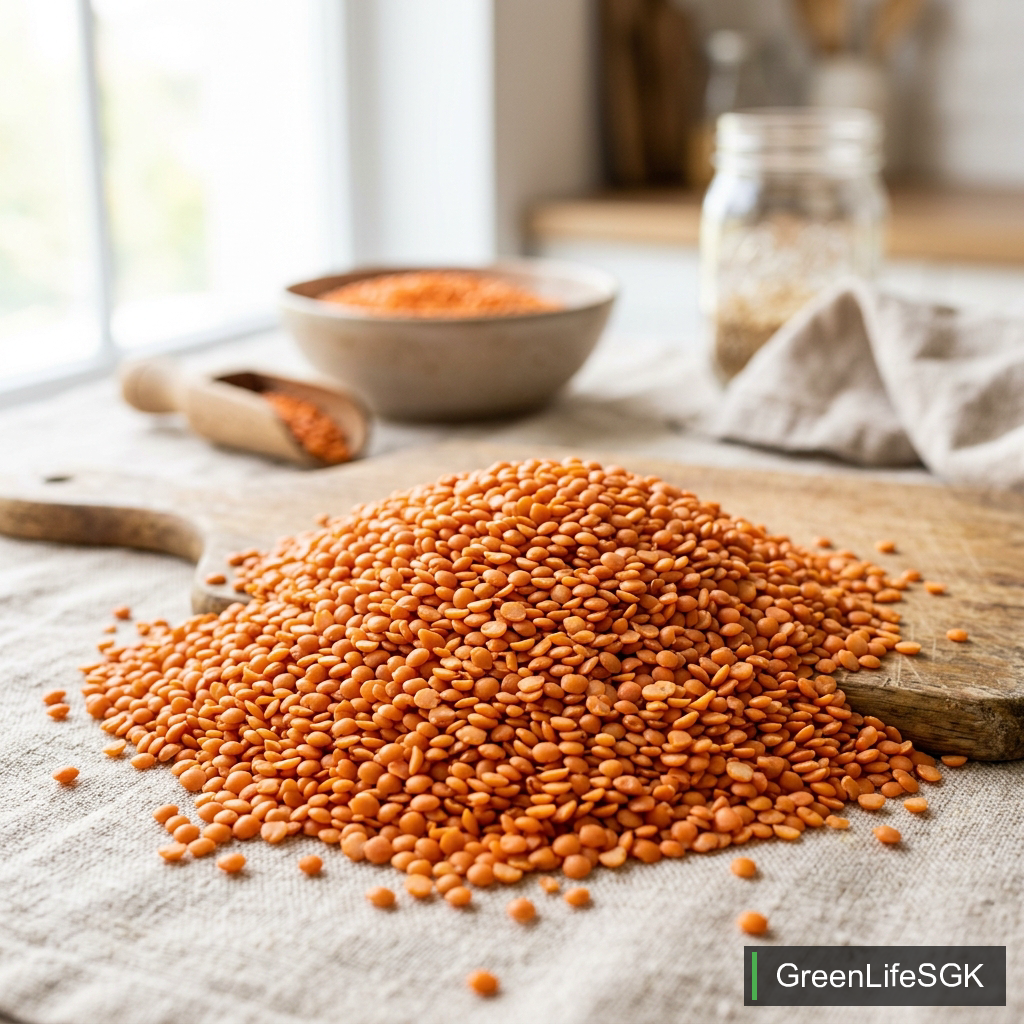
Masoor Dal (Lens culinaris), also known as Red Lentil, is one of the most widely consumed lentils in India and around the world. When whole, it is brown/dark green and is called Sabut Masoor. When split and hulled, it reveals a beautiful orange-red interior – this is the common Masoor Dal we use daily. It is one of the most affordable sources of protein available.
🌿 Types and Varieties of Masoor Dal
Here are the main types of Masoor Dal available:
- Split Red Masoor (Dhuli Masoor): Orange-red, split, and skinless. Cooks very fast (15-20 minutes). Most common type.
- Whole Masoor (Sabut Masoor/Kali Masoor): Whole lentils with brown/green skin intact. Takes longer to cook. Higher in fiber.
- Green Masoor: Greenish-brown variety. Held its shape when cooked. Used in salads and soups.
📊 Nutritional Value of Masoor Dal
Masoor Dal is a protein powerhouse. Here is the nutritional value per 100 grams (dry):
| Nutrient | Amount (per 100g) |
|---|---|
| Calories | 352 kcal |
| Carbohydrates | 63.4 g |
| Protein | 25.8 g |
| Fat | 1.1 g |
| Fiber | 10.7 g |
| Vitamin C | 1.5 mg |
| Iron | 7.5 mg |
| Potassium | 955 mg |
| Calcium | 56 mg |
💪 Health Benefits of Masoor Dal
Eating Masoor Dal regularly offers these health benefits:
- High in Protein: Nearly 26g protein per 100g – one of the most protein-rich lentils available.
- Quick Cooking: Cooks in 15-20 minutes without soaking – perfect for busy households.
- Rich in Iron: Excellent source of iron, helping prevent anemia, especially in vegetarian diets.
- Heart-Healthy: Fiber and potassium support cardiovascular health by lowering cholesterol and blood pressure.
- Supports Weight Management: High protein and fiber with low fat content keeps you full and supports healthy weight.
- Good for Pregnancy: Rich in folate which is crucial for fetal development during pregnancy.
- Supports Healthy Aging: The antioxidants in Masoor Dal help fight free radical damage, slowing the aging process at a cellular level.
- Improves Sleep Quality: Minerals like magnesium and potassium in Masoor Dal can help relax muscles and promote better sleep.
- Enhances Nutrient Absorption: When eaten as part of a balanced meal, Masoor Dal helps the body absorb other nutrients more efficiently.
🔄 What Happens If You Consume Masoor Dal Daily?
Many people wonder – what happens if I eat Masoor Dal every single day? Here is what research and nutrition science tell us:
⚡ Short-Term Effects (First 1–2 Weeks)
- Eating Masoor Dal regularly for a few days can improve energy levels and mood.
- You may notice better digestion and more regular bowel movements within the first week.
- Your body starts absorbing the vitamins and minerals, showing as improved skin clarity.
- Some people experience mild bloating initially as the body adjusts to increased fiber.
🌟 Long-Term Effects (1 Month and Beyond)
- Over weeks and months, regular Masoor Dal consumption strengthens your immune system.
- Long-term consumption supports heart health by helping maintain healthy cholesterol and blood pressure.
- Your skin, hair, and nails may show visible improvement due to sustained nutrient supply.
- Antioxidants accumulated over time help reduce oxidative stress and lower chronic disease risk.
- Consistent fiber intake promotes a healthy gut microbiome, improving digestive health.
⚠️ Note: While daily consumption of Masoor Dal in moderate amounts is beneficial, excessive intake may cause digestive discomfort. Maintain variety and consult a healthcare professional if needed.
🍳 Uses of Masoor Dal in Daily Life
Cooking Uses
- Masoor dal tadka – everyday staple with onion-garlic tempering
- Masoor dal soup – thick, warming, and nutritious
- Dal makhani (with whole masoor) – creamy, rich Punjabi classic
- Masoor dal khichdi
- Masoor dal paratha – lentil stuffed flatbread
- Dal shorba – clear lentil broth
- Use in salads when cooked al dente
Home Uses
- Masoor Dal flour (besan from chana, moong flour, etc.) is used in face packs for glowing skin
- Soaked and ground Masoor Dal paste is used as a natural cleanser in many Indian households
👅 Taste, Texture, and Appearance
Masoor Dal has a mild, earthy flavor that absorbs spices beautifully. When cooked, it becomes soft and creamy, making it perfect for Indian dals and soups. The color and texture vary depending on whether it is whole or split, with or without skin.
🛒 How to Select and Store Masoor Dal
Buy Masoor Dal from trusted stores. Look for clean, uniform-sized lentils without stones or debris. Check the packaging date and prefer recently packed dal. Store in airtight containers in a cool, dry place. Well-stored dal lasts 6-12 months. Always wash and soak dal before cooking (except quick-cooking varieties like masoor dal).
⏰ Best Time to Eat Masoor Dal
Masoor Dal is typically eaten at lunch or dinner as part of the main meal. It pairs perfectly with rice, roti, or paratha. Having dal at lunch provides sustained energy for the afternoon. It can also be consumed as a soup or part of breakfast dishes.
🚫 Who Should Avoid or Limit Masoor Dal?
- People with gout or high uric acid should limit dal intake as it contains purines.
- Those with digestive issues like IBS may need to start with small portions.
- People with kidney stones should consult their doctor about pulse consumption.
⚖️ Masoor Dal vs Moong Dal
Let us compare Masoor Dal with Moong Dal:
| Feature | Masoor Dal | Moong Dal |
|---|---|---|
| Protein (per 100g) | High | High |
| Cooking Time | Moderate | Moderate |
| Digestibility | Good | Good |
| Price | Affordable | Affordable |
| Versatility | High | High |
⚠️ Precautions and Side Effects
- Always wash dal thoroughly before cooking to remove dust and impurities.
- Soak dal for at least 30 minutes before cooking for better digestibility.
- Do not eat raw or undercooked dal – it can cause digestive issues.
- If you experience gas or bloating, add hing (asafoetida) while cooking to reduce it.
- People with uric acid problems should eat pulses in moderation.
🤓 Interesting Facts About Masoor Dal
- India is the largest producer and consumer of pulses in the world.
- Dal-Roti and Dal-Chawal are considered the most basic and complete Indian meals.
- Pulses fix nitrogen in the soil, making them environmentally friendly crops.
- Lentils have been eaten by humans for over 8,000 years.
❓ Frequently Asked Questions
❓ Is Masoor Dal good for health?
Absolutely! Masoor Dal is an excellent source of plant-based protein, fiber, iron, and other essential nutrients.
❓ Can diabetics eat Masoor Dal?
Yes, most dals have a low glycemic index and their high fiber and protein content helps manage blood sugar levels.
❓ How much dal should I eat daily?
About 30-50g of dry dal per serving (1-2 servings per day) is recommended for most adults.
❓ Is Masoor Dal good for weight loss?
Yes! Dal is high in protein and fiber, which keeps you full longer and supports weight management.
❓ Can I eat Masoor Dal at night?
Yes, dal is light and nutritious enough for dinner. However, heavy preparations may cause bloating for some people.
❓ Is soaking dal necessary?
Soaking improves digestibility and reduces cooking time. It also helps remove anti-nutritional factors.
🥗 How to Include Masoor Dal in Your Daily Diet
- Have a bowl of Masoor Dal with every lunch for complete protein.
- Make sprouts from whole varieties for a raw, nutrient-dense snack.
- Use dal water (starchy liquid after cooking) in soups and gravies – it is nutritious.
- Combine with rice for a complete amino acid profile.
- Try different tempering (tadka) styles to keep dal exciting.
❌ Common Mistakes to Avoid
- Not washing dal properly before cooking.
- Overcooking until it becomes flavorless mush.
- Not adding hing or ginger to reduce gas-causing properties.
- Cooking without salt and spices – dal should be well-seasoned.
- Storing in humid conditions which can cause dampness and mold.
✅ Conclusion
Masoor Dal is an indispensable part of the Indian diet – affordable, protein-rich, and infinitely versatile. Whether you are a student, a busy professional, a fitness enthusiast, or a homemaker, Masoor Dal provides the nutrition your body needs at a price everyone can afford. Make it a daily staple and your body will thank you!
📌 Disclaimer
This content is for informational purposes only and should not be considered medical or professional advice. Nutritional values may vary by variety and preparation. Consult a qualified doctor or nutritionist if you have health conditions.