Cashews (Kaju): Nutrition, Benefits, Types & Uses – Complete Guide
📋 Table of Contents
Hello! Kaju – the royal delight of Indian festivals and cuisine! From the beloved Kaju Katli that sweetens our celebrations to the rich, creamy gravies of North India, cashews are a symbol of indulgence, luxury, and wholesome nutrition.
🔍 What is Cashews?
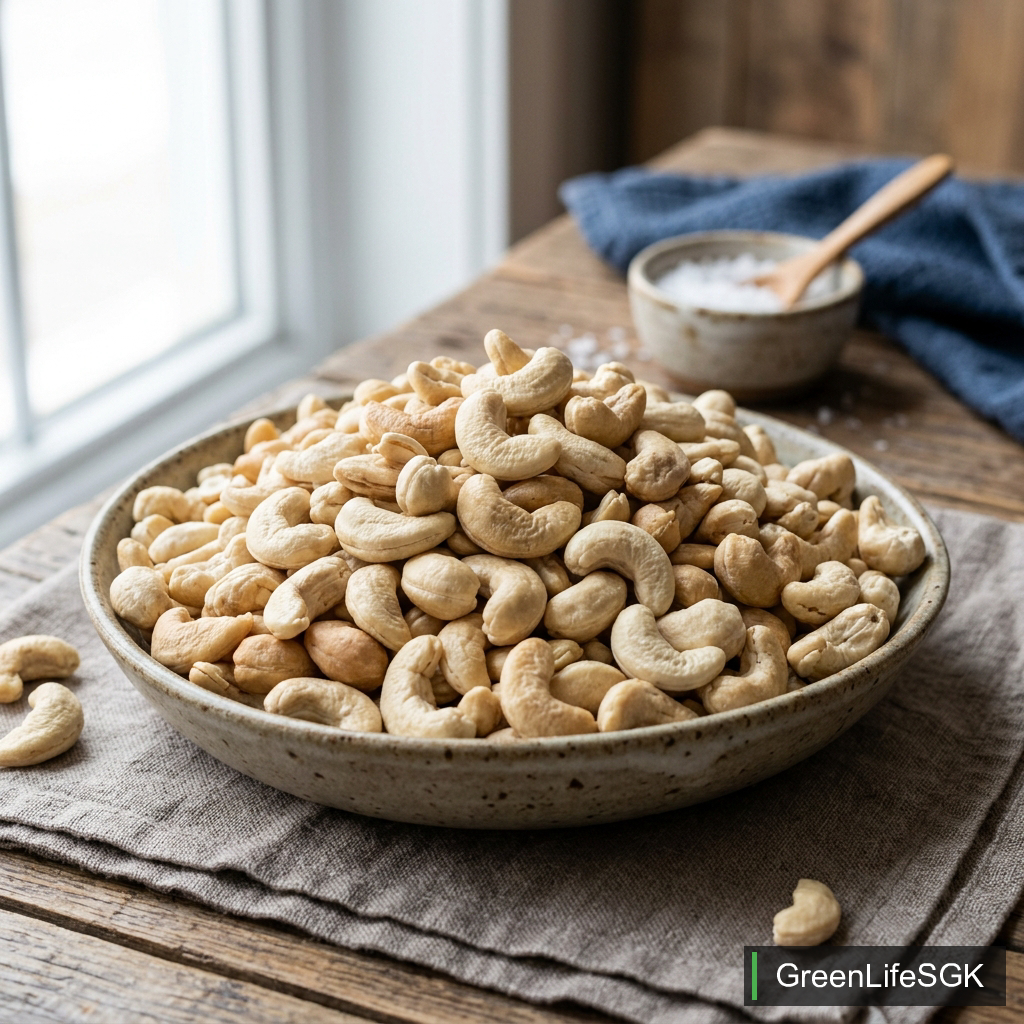
Cashews (Anacardium occidentale) are kidney-shaped seeds that adhere to the bottom of the cashew apple, native to Brazil but introduced to India by the Portuguese in the 16th century. Today, India is one of the largest producers and exporters of cashews in the world. They are sweet, buttery, and packed with vitamins, minerals, and healthy fats.
🌿 Types and Varieties of Cashews
Here are the main types of Cashews consumed in India:
- W180 (King of Cashews): The largest and most expensive cashew kernel. Known as the ‘King’ for its huge size and premium taste.
- W240: Large, standard high-quality cashew kernel popular for gifting and premium sweets.
- W320: The most widely consumed and commercially available grade in India. Great balance of size and price.
- Broken Cashews (Split): Halves or pieces of cashews, highly preferred for grinding into pastes, gravies, and baking.
📊 Nutritional Value of Cashews
Cashews is a nutritional powerhouse. Here is the approximate nutritional breakdown per 100 grams:
| Nutrient | Amount (per 100g) |
|---|---|
| Calories | 553 kcal |
| Carbohydrates | 30.2 g |
| Protein | 18.2 g |
| Fat | 43.8 g |
| Fiber | 3.3 g |
| Vitamin C | 0.5 mg |
| Iron | 6.7 mg |
| Potassium | 660 mg |
| Calcium | 37 mg |
💪 Health Benefits of Cashews
Consuming Cashews regularly offers these excellent health benefits:
- Supports Heart Health: Rich in monounsaturated and polyunsaturated fats that help lower LDL cholesterol and support heart muscle function.
- Rich Source of Iron: Provides an outstanding amount of iron and copper, which are essential for red blood cell formation and preventing anemia.
- Good for Eye Health: Contains high levels of lutein and zeaxanthin, antioxidants that protect eyes from light damage and prevent age-related macular degeneration.
- Supports Muscle and Nerve Function: Packed with magnesium, which plays a key role in muscle relaxation, nerve signaling, and blood pressure control.
- Boosts Immunity: Excellent source of zinc and Vitamin E, which strengthen the immune system and help fight infections.
- Enhances Skin and Hair Quality: Copper in cashews helps in the production of melanin, the pigment that gives color to skin, hair, and eyes.
- Supports Healthy Aging: The antioxidants in Cashews help fight free radical damage, slowing the aging process at a cellular level.
- Improves Sleep Quality: Minerals like magnesium and potassium in Cashews can help relax muscles and promote better sleep.
- Enhances Nutrient Absorption: When eaten as part of a balanced meal, Cashews helps the body absorb other nutrients more efficiently.
🔄 What Happens If You Consume Cashews Daily?
Many people wonder – what happens if I eat Cashews every single day? Here is what research and nutrition science tell us:
⚡ Short-Term Effects (First 1–2 Weeks)
- Eating Cashews regularly for a few days can improve energy levels and mood.
- You may notice better digestion and more regular bowel movements within the first week.
- Your body starts absorbing the vitamins and minerals, showing as improved skin clarity.
- Some people experience mild bloating initially as the body adjusts to increased fiber.
🌟 Long-Term Effects (1 Month and Beyond)
- Over weeks and months, regular Cashews consumption strengthens your immune system.
- Long-term consumption supports heart health by helping maintain healthy cholesterol and blood pressure.
- Your skin, hair, and nails may show visible improvement due to sustained nutrient supply.
- Antioxidants accumulated over time help reduce oxidative stress and lower chronic disease risk.
- Consistent fiber intake promotes a healthy gut microbiome, improving digestive health.
⚠️ Note: While daily consumption of Cashews in moderate amounts is beneficial, excessive intake may cause digestive discomfort. Maintain variety and consult a healthcare professional if needed.
🍳 Uses of Cashews in Daily Life
Cooking Uses
- Eaten raw, roasted, or salted as a delicious snack
- Ground into paste to make rich, creamy gravies (like Shahi Paneer and Butter Chicken)
- Key ingredient in premium Indian sweets, most notably Kaju Katli
- Used as a crunchy garnish for Pulao, Biryani, and sweets
- Added to healthy energy balls (ladoos) made with dates and figs
- Used to prepare vegan cream, milk, and cheese alternatives
- Blended into smoothies for a thick, buttery texture
Home Uses
- Cashews powder/oil is used in traditional Indian hair care and skin moisturizing treatments
- Used as a base for various winter energy ladoos and tonic formulations
- Soaked Cashews is a traditional morning ritual for children’s learning and memory
👅 Taste, Texture, and Appearance
Cashews has a rich, nutty, and buttery taste that is highly prized in Indian culinary traditions. Its texture is delightfully crunchy and firm, providing great sensory satisfaction with every bite.
🛒 How to Select and Store Cashews
Choose fresh, clean Cashews without moisture, mold, or insect holes. Store in airtight containers in a cool, dry place. Since nuts contain natural oils, storing them in the refrigerator or freezer extends their shelf life up to 1 year and prevents them from turning rancid. Soaking them overnight reduces anti-nutrients and makes them easier to digest.
⏰ Best Time to Eat Cashews
Cashews are best consumed in the morning on an empty stomach (especially when soaked) or as a healthy mid-morning or evening snack. Avoid consuming heavy amounts late at night as they are calorie-dense.
🚫 Who Should Avoid or Limit Cashews?
- People with nut allergies should strictly avoid them.
- Those prone to kidney stones should consult a doctor as some nuts contain oxalates.
- Consume in moderation if you are on a strict calorie-restricted diet.
⚖️ Cashews vs Almonds
Let us compare Cashews with Almonds:
| Feature | Cashews | Almonds |
|---|---|---|
| Healthy Fats | High (Omega-3/Mono) | High (Mono) |
| Protein Value | Excellent | Good |
| Calories (per 100g) | High | High |
| Common Usage | Everyday snacking & sweets | Creamy gravies & sweets |
| Price | Premium | Moderate to High |
⚠️ Precautions and Side Effects
- Eat in moderation – excessive consumption can lead to weight gain due to high calories.
- Avoid heavily salted, fried, or sugar-coated commercial versions.
- Check for rancidity (off-smell or bitter taste) before eating.
- Soak before eating to improve digestibility and nutrient absorption.
🤓 Interesting Facts About Cashews
- Walnuts are the oldest tree food known to man, dating back to 7,000 BC.
- Almonds belong to the same family of plants as peaches, plums, and cherries.
- India is one of the largest consumers and processing hubs of cashews in the world.
- In ancient times, nuts were considered a luxury food reserved only for kings and royalty.
❓ Frequently Asked Questions
❓ Is daily consumption of Cashews good?
Yes! Daily consumption of a handful (around 20-30g) of Cashews provides essential healthy fats, fiber, protein, and minerals needed by the body.
❓ Why should we soak Cashews before eating?
Soaking reduces phytic acid (an anti-nutrient) and enzyme inhibitors, making the nuts easier to digest and significantly improving the absorption of nutrients like iron and zinc.
❓ How many Cashews should I eat daily?
A handful of mixed nuts (about 5-7 almonds, 2 walnuts, and 4-5 cashews) is considered the perfect daily portion size for a healthy adult.
❓ Does Cashews cause weight gain?
Cashews are calorie-dense, but when eaten in moderation, their protein and fiber increase satiety, help manage appetite, and do not cause weight gain.
🥗 How to Include Cashews in Your Daily Diet
- Eat a handful of soaked Cashews first thing in the morning.
- Carry a small box of raw or dry-roasted nuts for healthy office snacking.
- Garnish your morning oatmeal, yogurt, or salads with chopped nuts.
- Blend a few nuts into your smoothies for a creamy, filling texture.
❌ Common Mistakes to Avoid
- Eating heavily salted, sugar-coated, or deep-fried commercial nuts.
- Consuming nuts in excessive quantities without checking calorie limits.
- Not soaking them – which can sometimes cause heat or digestive issues.
- Storing them in open or humid places where they quickly turn rancid.
✅ Conclusion
Cashews is a highly nutritious and essential food item that is a true gift of nature. With its rich taste, versatility, and remarkable health benefits, it is one of the easiest ways to boost your overall health, energy levels, and brainpower. Make them a daily habit!
📌 Disclaimer
This content is for informational purposes only and should not be considered medical or professional advice. Nutritional values may vary by variety and preparation. Consult a qualified doctor or nutritionist if you have health conditions.