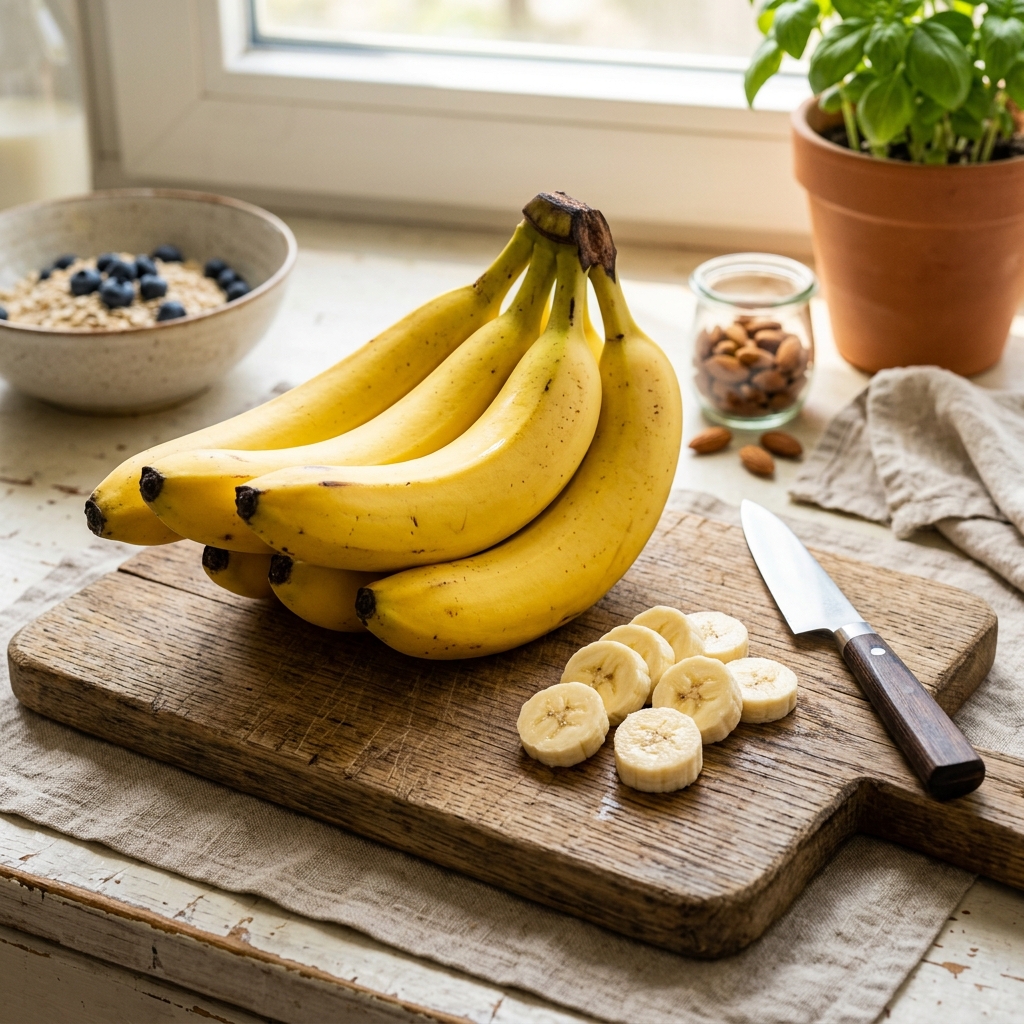
Quick Summary: Banana (known as Kela in Hindi) is nature’s most convenient, pre-packaged whole food. Loved worldwide for its portable energy, rich potassium, and gentle comforting taste, a banana actually acts completely differently inside your body depending on how ripe it is. Understanding the three distinct ripeness stages empowers you to choose the exact banana that matches your metabolic and digestive needs.
📋 Table of Contents
- The 3 Ripeness Stages: Which One Should You Eat?
- The Natural Antacid Secret: How Bananas Soothe Acid Reflux
- Famous Indian Banana Varieties
- Nutrition Facts (What is Inside a Banana?)
- Top 5 Proven Health Benefits of Bananas
- Best Timing: When Should You Eat Bananas?
- Who Should Be Mindful with Bananas?
- Frequently Asked Questions
- Scientific References
🍌 The 3 Ripeness Stages: Which One Should You Eat?
As a banana ripens on your kitchen counter, its internal biochemical structure undergoes a dramatic transformation. Here is how each stage behaves in your digestive tract:
| Ripeness Stage | Appearance | What Happens Inside Your Body | Best Suited For |
|---|---|---|---|
| Stage 1: Green-Tipped / Semi-Ripe | Pale yellow with greenish stem & tips; firm texture | 70% to 80% of carbohydrates consist of Resistant Starch and prebiotic pectin. It passes undigested into the large intestine, feeding good bacteria without spiking blood sugar. | Diabetics, weight management, and feeding beneficial gut flora (Bifidobacteria) |
| Stage 2: Solid Bright Yellow | Vibrant, pure yellow skin with no green; smooth texture | Resistant starch has converted into natural fructose and glucose. Abundant in bioavailable potassium and Vitamin B6; easy on the stomach. | Fast workout energy, school lunches, and general daily vitality |
| Stage 3: Brown-Speckled (“Sugar Spots”) | Deep golden yellow covered with tiny dark freckles; very soft | Maximum sweetness and highest levels of bioavailable polyphenols and antioxidant compounds. Ultra-fast to digest with almost zero digestive effort. | Pre-race fuel for athletes, recovery from stomach bugs, toddlers, and baking |
🧪 The Natural Antacid Secret: How Bananas Soothe Acid Reflux
If you suffer from frequent heartburn, burning indigestion, or acid reflux, a banana can offer fast, natural comfort:
💡 Leucocyanidin: The Stomach’s Natural Shield:
- Stimulates Protective Gastric Mucus: Bananas contain a natural flavonoid compound called leucocyanidin. Leucocyanidin stimulates the gastric mucosal lining in your stomach to produce a thicker, protective layer of mucus.
- Buffers Harsh Hydrochloric Acid: This thick mucus shield prevents harsh gastric acid from eroding the stomach walls, helping to calm irritation, heal mild superficial erosions, and soothe burning sensations within minutes.
🌴 Famous Indian Banana Varieties
India is the largest producer of bananas in the world, cultivating a diverse tapestry of heirloom varieties:
- Yelakki / Elaichi Kela: Tiny, finger-sized fragrant bananas from Karnataka and Tamil Nadu. Intensely sweet with a light floral, cardamom-like fragrance, they are the gold standard for children’s nourishment.
- Robusta: The most widespread commercial variety across Indian markets, known for its large size, thick peel, and creamy yellow texture.
- Nendran (Kerala Plantain): Large, firm, and starchy. In Kerala, Nendran is traditionally steamed for baby weaning food or gently roasted in pure Desi Ghee as a royal dessert.
- Poovan: A popular everyday South Indian banana with thin golden skin, slightly tangy-sweet flesh, and great digestive properties.
- Red Banana (Chovvoottu): Deep maroon-crimson skin with creamy pinkish-yellow flesh, offering a subtle berry sweetness and extra beta-carotene.
📊 Nutrition Facts (What is Inside a Banana?)
Bananas are naturally fat-free, cholesterol-free, and sodium-free, while packing essential electrolytes and vitamins. Here is the breakdown per 100 grams and per 1 medium banana (~118 grams):
| Nutrient | Per 100g | Per 1 Medium Banana (~118g) | Why Your Body Needs It |
|---|---|---|---|
| Energy | 89 kcal | 105 kcal | Clean, instant plant energy |
| Carbohydrates | 22.8 g | 27.0 g | Natural tri-sugar energy matrix (glucose, fructose, sucrose) |
| Dietary Fiber | 2.6 g | 3.1 g (11% DV) | Prebiotic pectin and resistant starch |
| Potassium | 358 mg (8% DV) | 422 mg (9% DV) | Essential electrolyte for muscle contraction & heart rhythm |
| Vitamin B6 | 0.37 mg (22% DV) | 0.43 mg (25% DV!) | Supports neurotransmitter synthesis and energy metabolism |
| Vitamin C | 8.7 mg (10% DV) | 10.3 mg (11% DV) | Cellular antioxidant support |
| Magnesium | 27 mg (6% DV) | 32 mg (8% DV) | Relaxes tense muscles and supports nerve transmission |
🌿 Top 5 Proven Health Benefits of Bananas
1. Banishes Muscle Cramps & Soreness
Supplying 422 mg of bioavailable potassium per fruit, bananas quickly restore the cellular sodium-potassium balance in muscle tissues. Eating a banana helps prevent nighttime leg cramps and post-exercise muscle spasms.
2. Sustained, Jitter-Free Energy
Unlike caffeinated energy drinks that trigger a harsh adrenaline surge followed by an energy crash, bananas provide a balanced ratio of fast-acting glucose, medium-release fructose, and slow-burning soluble fiber for steady stamina.
3. Supports Healthy Blood Pressure
Modern diets are often dangerously high in sodium. The high potassium in bananas acts like an internal pressure valve, signaling the kidneys to excrete excess sodium through urine and easing tension in arterial walls.
4. Boosts Mood & Brain Function
Bananas are an exceptional dietary source of Vitamin B6 (providing 25% of your daily value per fruit) and tryptophan. Vitamin B6 is a crucial co-factor for synthesizing serotonin and dopamine, the brain chemicals responsible for calm mood, focus, and restful sleep.
5. Deep Prebiotic Gut Nourishment
The soluble fiber and fructooligosaccharides (FOS) in bananas pass through the stomach intact to feed colonies of beneficial Bifidobacteria in the colon, fostering a balanced microbiome and enhanced nutrient absorption.
⏰ Best Timing: When Should You Eat Bananas?
- 30 to 45 Minutes Before Exercise: A medium ripe yellow banana provides easy-to-digest carbohydrates that won’t sit heavy in your stomach while supplying potassium to prevent cramping.
- The 4:00 PM Afternoon Energy Slump: Instead of reaching for sugary tea biscuits or fried snacks, pair a banana with a handful of raw Almonds or Pumpkin Seeds for steady, focused afternoon energy.
- Nighttime Caution: Avoid eating cold bananas right before bedtime if you are prone to nighttime sinus congestion, asthma, or excess phlegm production.
⚠️ Who Should Be Mindful with Bananas?
- Kidney Disease Patients: Individuals with advanced Chronic Kidney Disease (CKD) or those on potassium-sparing medications must closely monitor high-potassium foods like bananas to prevent hyperkalemia. Always follow your nephrologist’s guidance.
- Diabetes Strategy: If managing diabetes, choose bananas that are slightly green-tipped (Stage 1) rather than spotted overripe ones, and always pair them with protein or healthy fats to blunt the glycemic curve.
⚡ Check Your Exact Nutrition & Calories
Want to calculate the exact calories, potassium, and carbs in your custom banana portion? Use our free interactive tool:
❓ Frequently Asked Questions (FAQ)
Do bananas cause weight gain?
No! A medium banana contains only about 105 calories with 3 grams of filling dietary fiber. Bananas are naturally fat-free. When eaten in place of ultra-processed snacks, they support healthy weight management by keeping you full for hours.
Why do bananas get brown spots?
The brown spots are known as “sugar spots.” They indicate that the fruit’s starches have fully broken down into natural sugars, and its antioxidant polyphenols have reached peak concentration. Spotted bananas are the easiest to digest.
Can I store bananas in the fridge?
Placing ripe bananas in the fridge will turn their peel dark brown due to cold-induced polyphenol oxidase, but the fruit inside will remain firm and fresh for an additional 3 to 5 days.
🔬 Scientific References
- USDA FoodData Central: Musa acuminata (Bananas, raw), FoodData Central ID: 173944.
- Journal of Pharmacognosy and Phytochemistry: Anti-ulcerogenic and antioxidant properties of leucocyanidin from Musa paradisiaca.
- The American Journal of Clinical Nutrition: Prebiotic effect of dietary fructooligosaccharides and resistant starch from bananas on human intestinal microbiota.
- European Journal of Applied Physiology: Metabolic and exercise performance effects of carbohydrate ingestion from bananas vs sports drinks.
Medical Disclaimer: This guide is published for educational and nutritional awareness only. It is not intended to replace personalized medical diagnosis, dietary prescription, or diabetes treatment. Always consult a certified dietitian or physician regarding personal dietary changes.