Coriander Leaves (Dhaniya Patta): Nutrition, Benefits, Types & Uses – Complete Guide
📋 Table of Contents
- What is Coriander Leaves?
- Types & Varieties
- Nutritional Value
- Health Benefits
- What Happens If Consumed Daily
- Uses in Daily Life
- Taste, Texture & Appearance
- How to Select & Store
- Best Time to Eat
- Who Should Avoid
- Coriander Leaves vs Mint
- Precautions
- Interesting Facts
- FAQ
- Daily Diet Tips
- Common Mistakes
- Conclusion
Hello and welcome! Today let us explore everything about Coriander Leaves, known as Dhaniya Patta in Hindi. This vegetable is a staple in Indian kitchens and is valued for both its taste and health benefits. Let us discover what makes Coriander Leaves so special!
🔍 What is Coriander Leaves?
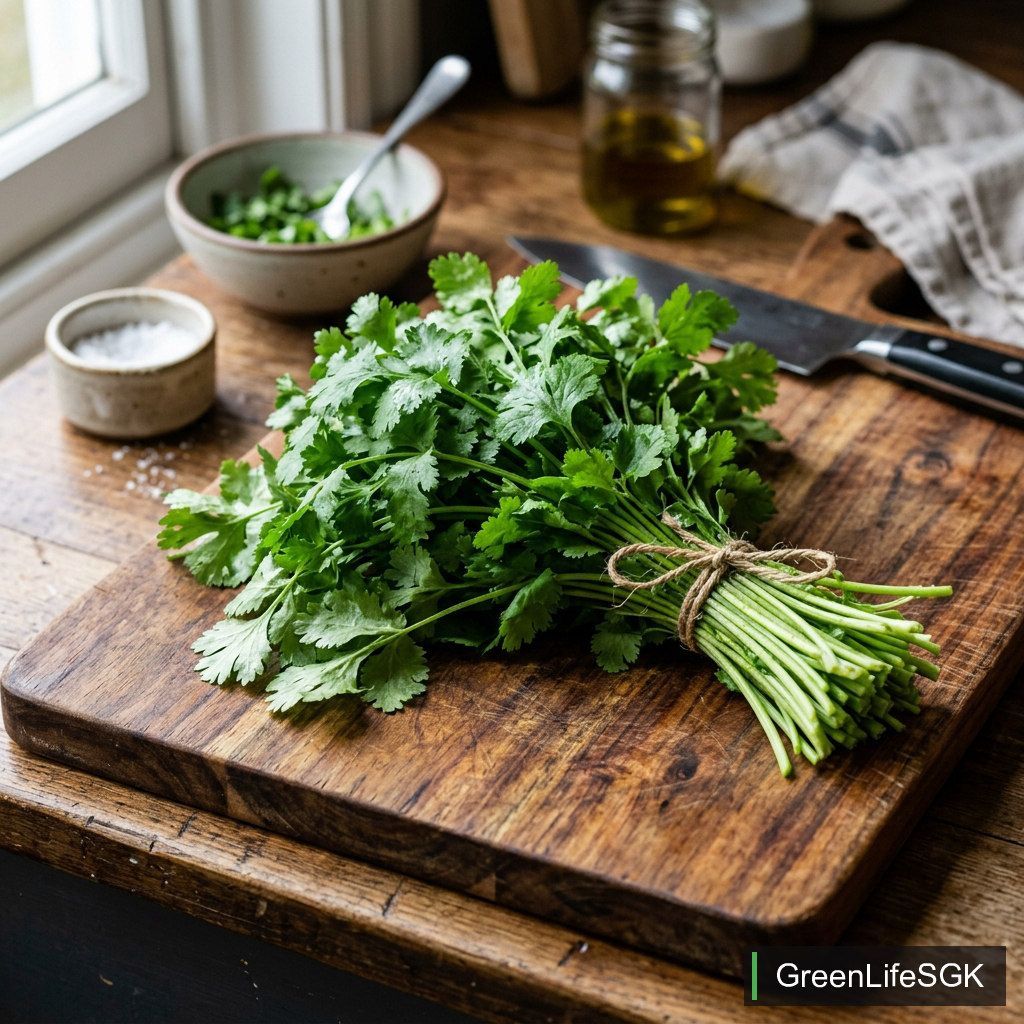
Coriander Leaves (Dhaniya Patta) is a widely consumed vegetable in India. It has been part of Indian cuisine for centuries and is known for its unique taste, nutritional value, and versatility in cooking. Available in most Indian markets, Coriander Leaves is an essential part of a balanced Indian diet.
🌿 Types and Varieties of Coriander Leaves
Several varieties of Coriander Leaves are found in India:
- Common Variety: The most widely available type of Coriander Leaves across Indian markets.
- Premium Variety: A higher quality variety with better flavor and texture.
- Regional Variety: Unique varieties grown in specific regions of India.
📊 Nutritional Value of Coriander Leaves
Coriander Leaves is nutritious and provides essential vitamins and minerals. Here is the approximate nutritional value per 100 grams:
| Nutrient | Amount (per 100g) |
|---|---|
| Calories | Low |
| Carbohydrates | Moderate |
| Protein | Present |
| Fat | Very Low |
| Fiber | Good source |
| Vitamins | Rich in various vitamins |
| Minerals | Contains essential minerals |
💪 Health Benefits of Coriander Leaves
Including Coriander Leaves in your diet offers several health benefits:
- Supports Digestion: Fiber in Coriander Leaves promotes healthy bowel movements and good gut health.
- Boosts Immunity: Vitamins and antioxidants strengthen the immune system.
- Good for Heart Health: Potassium and fiber help maintain healthy blood pressure and cholesterol.
- Aids Weight Management: Low in calories and high in fiber, Coriander Leaves helps control appetite.
- Rich in Nutrients: Provides essential vitamins and minerals for overall well-being.
- Supports Healthy Aging: The antioxidants in Coriander Leaves help fight free radical damage, slowing the aging process at a cellular level.
- Improves Sleep Quality: Minerals like magnesium and potassium in Coriander Leaves can help relax muscles and promote better sleep.
- Enhances Nutrient Absorption: When eaten as part of a balanced meal, Coriander Leaves helps the body absorb other nutrients more efficiently.
🔄 What Happens If You Consume Coriander Leaves Daily?
Many people wonder – what happens if I eat Coriander Leaves every single day? Here is what research and nutrition science tell us:
⚡ Short-Term Effects (First 1–2 Weeks)
- Eating Coriander Leaves regularly for a few days can improve energy levels and mood.
- You may notice better digestion and more regular bowel movements within the first week.
- Your body starts absorbing the vitamins and minerals, showing as improved skin clarity.
- Some people experience mild bloating initially as the body adjusts to increased fiber.
🌟 Long-Term Effects (1 Month and Beyond)
- Over weeks and months, regular Coriander Leaves consumption strengthens your immune system.
- Long-term consumption supports heart health by helping maintain healthy cholesterol and blood pressure.
- Your skin, hair, and nails may show visible improvement due to sustained nutrient supply.
- Antioxidants accumulated over time help reduce oxidative stress and lower chronic disease risk.
- Consistent fiber intake promotes a healthy gut microbiome, improving digestive health.
⚠️ Note: While daily consumption of Coriander Leaves in moderate amounts is beneficial, excessive intake may cause digestive discomfort. Maintain variety and consult a healthcare professional if needed.
🍳 Uses of Coriander Leaves in Daily Life
Cooking Uses
- Coriander Leaves sabzi – stir-fried with Indian spices
- Add to curries and dals for extra nutrition
- Use in parathas and rotis for a filling meal
- Include in soups and stews
- Add to rice dishes and pulao
Home Uses
- Coriander Leaves is used in traditional home remedies
- Can be part of natural skincare routines
👅 Taste, Texture, and Appearance
Coriander Leaves has a distinctive taste and appearance. Its texture and flavor make it a versatile ingredient in Indian cooking, complementing a wide range of spices and other vegetables.
🛒 How to Select and Store Coriander Leaves
Choose fresh, firm Coriander Leaves without blemishes or soft spots. Store in the refrigerator for up to 3-5 days. Wash thoroughly before cooking. For best nutrition, consume fresh and in season.
⏰ Best Time to Eat Coriander Leaves
Coriander Leaves can be enjoyed at any meal – breakfast, lunch, or dinner. It is particularly good as part of a balanced lunch or dinner along with roti, rice, and dal.
🚫 Who Should Avoid or Limit Coriander Leaves?
- People with specific allergies to Coriander Leaves should avoid it.
- Those with certain digestive conditions should eat in moderation.
- Consult your doctor if you have specific health concerns.
⚖️ Coriander Leaves vs Mint
Here is how Coriander Leaves compares with Mint:
| Feature | Coriander Leaves | Mint |
|---|---|---|
| Calories | Low | Low |
| Nutrients | Rich | Rich |
| Versatility | High | High |
| Availability | Year-round | Year-round |
| Price | Affordable | Affordable |
⚠️ Precautions and Side Effects
- Always wash Coriander Leaves thoroughly before cooking.
- Do not overcook to preserve nutrients.
- Eat in moderation if you have specific health conditions.
- Store properly in a cool, dry place.
🤓 Interesting Facts About Coriander Leaves
- Coriander Leaves has been cultivated in India for centuries.
- India is a major producer of Coriander Leaves.
- It plays an important role in Ayurvedic nutrition.
- Coriander Leaves is a key ingredient in many regional Indian dishes.
❓ Frequently Asked Questions
❓ Is Coriander Leaves good for health?
Yes, Coriander Leaves is nutritious and offers various health benefits.
❓ Can diabetics eat Coriander Leaves?
In most cases, yes. Consult your doctor for personalized advice.
❓ How to store Coriander Leaves?
Store in the refrigerator and consume within 3-5 days for best freshness.
❓ Can I eat Coriander Leaves daily?
Yes, as part of a balanced and varied diet.
❓ Is Coriander Leaves good for weight loss?
Most vegetables are great for weight loss due to low calories and high fiber.
🥗 How to Include Coriander Leaves in Your Daily Diet
- Include Coriander Leaves in your lunch or dinner sabzi.
- Add to salads for a nutritious meal.
- Use in soups for a warm, comforting dish.
- Combine with other vegetables for variety.
❌ Common Mistakes to Avoid
- Overcooking Coriander Leaves and losing nutrients.
- Not washing properly before cooking.
- Storing too long and losing freshness.
- Not including enough variety in vegetable choices.
✅ Conclusion
Coriander Leaves is a nutritious and delicious vegetable that is a staple in Indian cooking. With its great taste and impressive health benefits, it deserves to be a regular part of your meals. Eat it fresh, cook it with love, and enjoy the goodness it brings to your plate!
📌 Disclaimer
This content is for informational purposes only and should not be considered medical or professional advice. Nutritional values may vary by variety and preparation. Consult a qualified doctor or nutritionist if you have health conditions.