Bitter Gourd (Karela): Nutrition, Benefits, Types & Uses – Complete Guide
📋 Table of Contents
- What is Bitter Gourd?
- Types & Varieties
- Nutritional Value
- Health Benefits
- What Happens If Consumed Daily
- Uses in Daily Life
- Taste, Texture & Appearance
- How to Select & Store
- Best Time to Eat
- Who Should Avoid
- Bitter Gourd vs Ridge Gourd
- Precautions
- Interesting Facts
- FAQ
- Daily Diet Tips
- Common Mistakes
- Conclusion
Hello! Karela – the vegetable that most people run away from! But what if we told you that this bitter-tasting gourd is one of the healthiest vegetables you can eat? Especially for blood sugar management, karela is a true medicinal food.
🔍 What is Bitter Gourd?
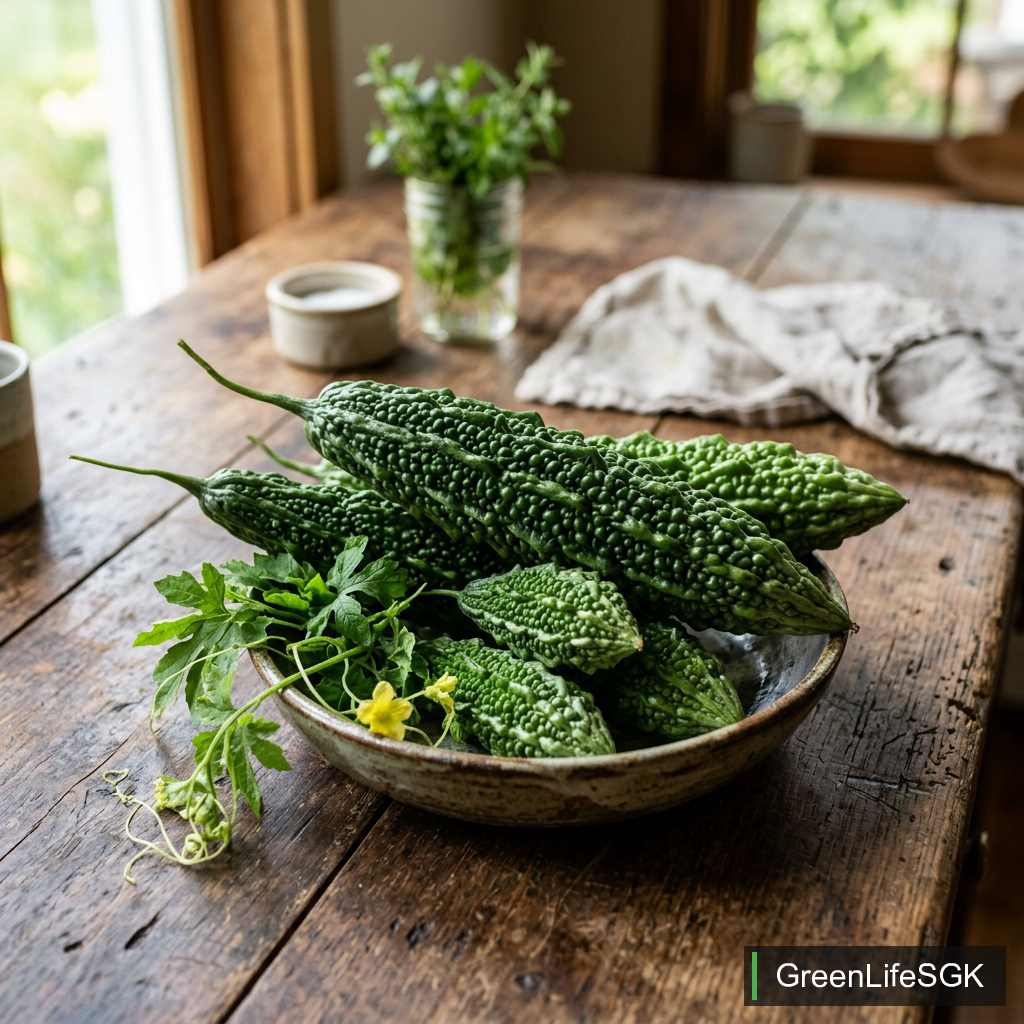
Bitter Gourd (Momordica charantia), known as Karela in Hindi, is a tropical vine vegetable famous for its intensely bitter taste. It belongs to the Cucurbitaceae family (gourd family). Despite its bitter flavor, karela is highly valued in Indian cuisine and Ayurvedic medicine for its remarkable health benefits, especially for diabetes management.
🌿 Types and Varieties of Bitter Gourd
Several varieties of Bitter Gourd are available in India:
- Indian Bitter Gourd: Small, dark green, with pointed ridges. Very bitter. Most common in India.
- Chinese Bitter Gourd: Larger, lighter green, smoother bumps. Milder bitterness.
- White Bitter Gourd: Pale green to white variety. Slightly less bitter.
- Small (Wild) Bitter Gourd: Very small, round variety found in South India. Called Pavakkai.
📊 Nutritional Value of Bitter Gourd
Bitter Gourd is packed with essential nutrients. Here is the nutritional value per 100 grams:
| Nutrient | Amount (per 100g) |
|---|---|
| Calories | 17 kcal |
| Carbohydrates | 3.7 g |
| Protein | 1.0 g |
| Fat | 0.2 g |
| Fiber | 2.8 g |
| Vitamin C | 84 mg |
| Iron | 0.4 mg |
| Potassium | 296 mg |
| Calcium | 19 mg |
| Vitamin A | 6 µg |
💪 Health Benefits of Bitter Gourd
Including Bitter Gourd in your diet offers these wonderful health benefits:
- Excellent for Blood Sugar Control: Karela contains charantin, polypeptide-p, and vicine – compounds that mimic insulin and help lower blood sugar naturally.
- Very Low in Calories: At only 17 calories per 100g, karela is one of the lowest-calorie vegetables available.
- Rich in Vitamin C: Surprisingly, karela has more Vitamin C than many fruits – great for immunity.
- Supports Liver Health: The antioxidants in karela help detoxify the liver and protect it from damage.
- May Aid Weight Loss: Low calories, high fiber, and metabolism-boosting properties make karela ideal for weight loss.
- Improves Skin Health: Blood-purifying properties of karela help reduce acne, skin infections, and promote clear skin.
- Supports Healthy Aging: The antioxidants in Bitter Gourd help fight free radical damage, slowing the aging process at a cellular level.
- Improves Sleep Quality: Minerals like magnesium and potassium in Bitter Gourd can help relax muscles and promote better sleep.
- Enhances Nutrient Absorption: When eaten as part of a balanced meal, Bitter Gourd helps the body absorb other nutrients more efficiently.
🔄 What Happens If You Consume Bitter Gourd Daily?
Many people wonder – what happens if I eat Bitter Gourd every single day? Here is what research and nutrition science tell us:
⚡ Short-Term Effects (First 1–2 Weeks)
- Eating Bitter Gourd regularly for a few days can improve energy levels and mood.
- You may notice better digestion and more regular bowel movements within the first week.
- Your body starts absorbing the vitamins and minerals, showing as improved skin clarity.
- Some people experience mild bloating initially as the body adjusts to increased fiber.
🌟 Long-Term Effects (1 Month and Beyond)
- Over weeks and months, regular Bitter Gourd consumption strengthens your immune system.
- Long-term consumption supports heart health by helping maintain healthy cholesterol and blood pressure.
- Your skin, hair, and nails may show visible improvement due to sustained nutrient supply.
- Antioxidants accumulated over time help reduce oxidative stress and lower chronic disease risk.
- Consistent fiber intake promotes a healthy gut microbiome, improving digestive health.
⚠️ Note: While daily consumption of Bitter Gourd in moderate amounts is beneficial, excessive intake may cause digestive discomfort. Maintain variety and consult a healthcare professional if needed.
🍳 Uses of Bitter Gourd in Daily Life
Cooking Uses
- Karela sabzi – stuffed or stir-fried with onions and spices
- Karela juice – a powerful health drink for blood sugar
- Karela chips – thinly sliced and fried until crispy
- Bharwa karela – stuffed with spiced onion-masala filling
- Karela pickle (achaar)
- Add to mixed vegetable curries
- Karela raita – an Ayurvedic preparation
Home Uses
- Bitter Gourd is used in various traditional home remedies in India
- Can be part of natural beauty and skincare routines
👅 Taste, Texture, and Appearance
Bitter Gourd has a distinctive taste and texture that makes it a unique addition to Indian cuisine. It is visually appealing and complements many dishes.
🛒 How to Select and Store Bitter Gourd
When buying Bitter Gourd, choose fresh, firm, and bright-colored ones without blemishes. Store in the refrigerator’s vegetable compartment for up to 3-5 days. Wash thoroughly before cooking. Do not store cut vegetables for too long as they lose nutrients.
⏰ Best Time to Eat Bitter Gourd
Bitter Gourd can be consumed at lunch or dinner as part of your main meal. It can also be included in breakfast dishes. Fresh vegetables are best consumed when in season.
🚫 Who Should Avoid or Limit Bitter Gourd?
- People with specific allergies to Bitter Gourd should avoid it.
- Those with certain digestive conditions should eat in moderation.
- Always consult a doctor if you have specific health concerns related to Bitter Gourd.
⚖️ Bitter Gourd vs Ridge Gourd
Let us compare Bitter Gourd with Ridge Gourd:
| Feature | Bitter Gourd | Ridge Gourd |
|---|---|---|
| Calories | 17 kcal | Similar |
| Key Nutrients | Rich source | Rich source |
| Versatility | High | High |
| Availability | Year-round | Year-round |
| Price | Affordable | Affordable |
⚠️ Precautions and Side Effects
- Wash Bitter Gourd thoroughly before cooking to remove pesticide residues.
- Do not overcook as it destroys nutrients.
- Eating in moderation is recommended for people with specific health conditions.
- Store properly to avoid contamination.
🤓 Interesting Facts About Bitter Gourd
- Bitter Gourd has been part of Indian cuisine for centuries.
- India is one of the largest producers of Bitter Gourd in the world.
- Bitter Gourd is used in traditional Ayurvedic practices.
- It is one of the most versatile vegetables in Indian cooking.
❓ Frequently Asked Questions
❓ Is Bitter Gourd good for health?
Yes! Bitter Gourd is nutritious and offers numerous health benefits including improved digestion, immunity, and heart health.
❓ Can diabetics eat Bitter Gourd?
Most vegetables are safe for diabetics. Bitter Gourd can generally be consumed as part of a balanced diet. Consult your doctor for personalized advice.
❓ How should I store Bitter Gourd?
Store fresh Bitter Gourd in the refrigerator’s vegetable compartment. Use within 3-5 days for best nutrition and taste.
❓ Can I eat Bitter Gourd every day?
Yes, eating Bitter Gourd as part of a varied diet is healthy and recommended.
❓ Is Bitter Gourd good for weight loss?
Most vegetables are excellent for weight loss as they are low in calories and high in fiber. Bitter Gourd is no exception.
🥗 How to Include Bitter Gourd in Your Daily Diet
- Add Bitter Gourd to your lunch sabzi rotation for daily nutrition.
- Include in salads for a fresh, crunchy meal.
- Mix with other vegetables in a stir-fry for variety.
- Use in soups and dals for extra nutrition.
❌ Common Mistakes to Avoid
- Overcooking Bitter Gourd – this destroys vitamins and nutrients.
- Not washing properly before cooking.
- Peeling too much – many nutrients are just under the skin.
- Storing for too long – eat fresh for maximum benefit.
✅ Conclusion
Bitter Gourd is a wonderful vegetable that deserves a regular place in your Indian kitchen. It is nutritious, versatile, and delicious when cooked properly. Include it in your meals regularly and enjoy the health benefits it brings!
📌 Disclaimer
This content is for informational purposes only and should not be considered medical or professional advice. Nutritional values may vary by variety and preparation. Consult a qualified doctor or nutritionist if you have health conditions.